Fucoxanthinol and amarouciaxanthin accentuates these anti-obesity actions of fucoxanthin in later stages of adipocyte differentiation by suppressing PPAR expression and glucose uptake (Kang et al., 2011)
K.MarcinkoK.DesjardinsE

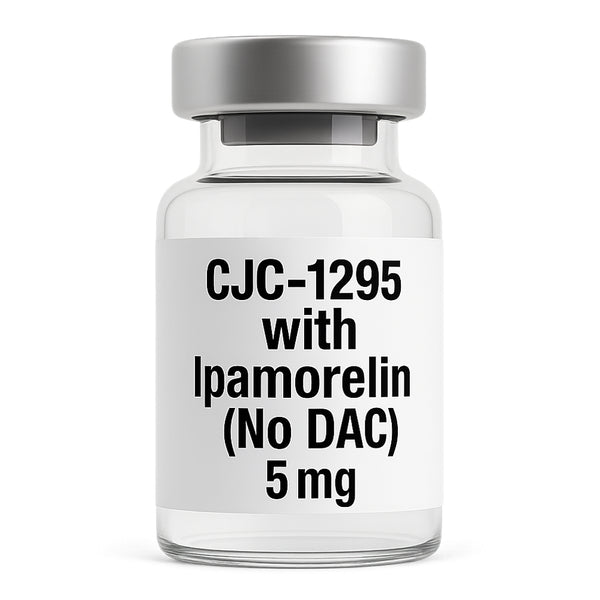
Growth hormone, for its part, increases cellular replication, encourages collagen synthesis in your skeletal muscles, and stimulates the production of a separate hormone called insulin-like growth factor-1 (IGF-1), which helps regulate the process by which your body creates fat.1 2 3 Given these qualities, a higher concentration of circulating growth hormone can lead to improved exercise training, increased muscle strength, and a decreased propensity for fat accumulation.4 Despite belonging to the same category and effecting a common outcome, CJC-1295 and ipamorelin have distinct mechanisms of action: CJC-1295s mechanism of action CJC-1295 mimics a chemical from the hypothalamus called growth hormone-releasing hormone (GHRH), which tells the pituitary gland to release growth hormone.5 Ipamorelins mechanism of action Ipamorelin is an analog of ghrelin, a hormone originating from the cells in your stomach.6 As such, it binds to the brains ghrelin receptor and, like GHRH, stimulates growth hormone secretion from the pituitary

(12) A main process started by GHS-R1a involves an enzyme called phospholipase C (PLC)