Conservative combination protocol (if attempting) Rationale for conservative approach: No safety data available Both peptides slow gastric emptying significantly Risk of severe GI complications Start low, go slow principle Tirzepatide component: Follow standard FDA-approved titration Weeks 1-4: 2.5mg weekly Weeks 5-8: 5mg weekly Weeks 9-12: 7.5mg weekly Weeks 13-16: 10mg weekly Week 17+: 12.5mg weekly (or stay at 10mg) Some reach 15mg weekly (maximum) Cagrilintide component (reduced from standard): Start AFTER tirzepatide stabilized at therapeutic dose (week 13+) Week 13-16: 0.6mg weekly (lower than standard) Week 17-20: 1.2mg weekly Week 21-24: 1.8mg weekly (may be maximum tolerable) Consider 2.4mg only if tolerating perfectly Conservative dosing comparison: Why sequential is safer: Tirzepatide establishes baseline first Can attribute new side effects to cagrilintide Easier to manage one variable at a time Option to stop cagrilintide if intolerable Less overwhelming than both simultaneously Expected benefits: 18-25% total weight loss (conservative estimate) Potentially superior to tirzepatide alone (15-22%) But incremental benefit may be modest (3-5% additional) Use SeekPeptides to plan sequential peptide additions safely

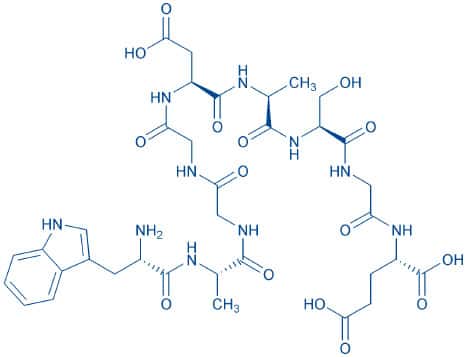
This particular arrangement gives the peptide its distinctive biochemical properties and distinguishes it from other synthetic research peptides in terms of its stability profile and interactions in laboratory models
Clinics that lead with clear guardrails and conservative positioning are seeing better patient confidence than those riding hype, especially as platforms and regulators start paying closer attention.
DUSP1 (MKP1, PTPN10) DUSP1 (also named MAPK phosphatase 1, MKP1 or protein tyrosine phosphatase non-receptor type 10, PTPN10) functions as a negative regulator of MAPKs by dephosphorylating ERK, JNK, and p38 [36, 54, 55]