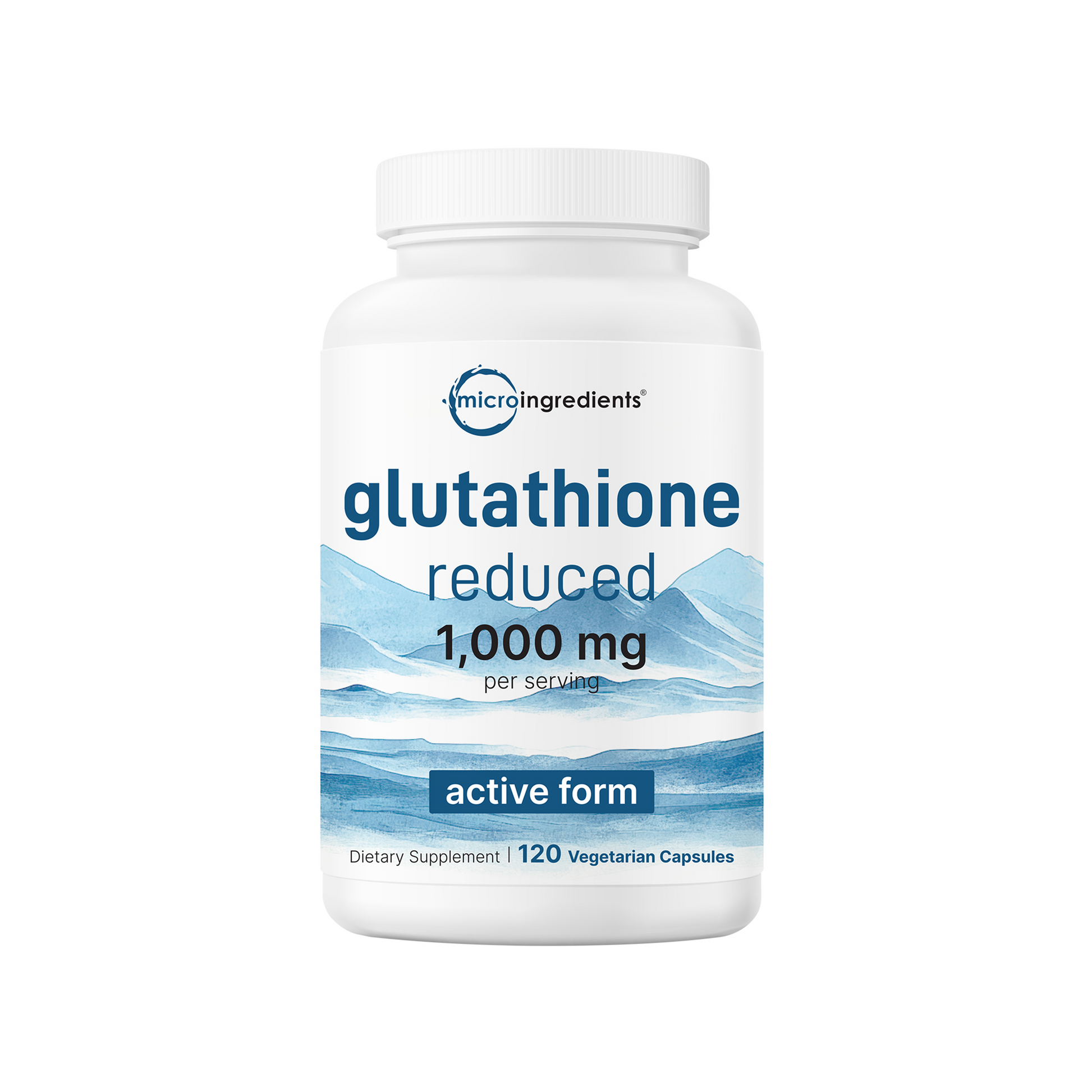
Reduces Chronic Inflammation Inflammation is one of the most common root causes of pain and disease
c bit, thi gian gn y nhiu ch em cn tm n cc sn phm b sung Glutathione vi mc ch lm p v ci thin ln da
F., Vicente, R., Lue, A., Mir, A., Garca-Alvarado, M., Gracia, M., & Garca-Lpez, S

Contents Importance of gluconeogenesis Sites of gluconeogenesis Irreversible steps in the pathway From pyruvate to phosphoenolpyruvate Pyruvate carboxylase and oxaloacetate formation Phosphoenolpyruvate carboxykinase and PEP formation Energetics of the overall conversion Phosphoenolpyruvate precursors: pyruvate or alanine Mitochondrial transport and conversion of pyruvate and alanine Oxaloacetate transport and conversion to PEP Phosphoenolpyruvate precursor: lactate From fructose 1,6-bisphosphate to fructose 6-phosphate From glucose 6-phosphate to glucose Mechanism and regulation of glucose release Energy cost of gluconeogenesis Coordinated regulation of gluconeogenesis and glycolysis Regulation of gluconeogenesis Pyruvate carboxylase Fructose 1,6-bisphosphatase PFK-1, FBPase-1, and fructose 2,6-bisphosphate Regulation of F2,6BP levels Glucagon Insulin Glucose 6-phosphatase PEP carboxykinase Xylulose 5-phosphate Precursors Glycerol Glucogenic amino acids Propionate References Importance of gluconeogenesis Gluconeogenesis is essential for two main reasons: it maintains appropriate blood glucose levels when glycogen stores are low and no carbohydrates are available, and it preserves metabolic intermediates, such as pyruvate, needed for energy production