There are several definitions of neutralization, two of which are widely accepted
Ingredients:Aqua(water), paraffinum, liquidum(mineral oil), cetearyl Alcohol, perrolatum, synthetic wax, polysorbate 60, glycerin, sorbitan stearate, dimethicone, caprylic/capric triglyceride, glutathione, ascorbyl tetraisopalmitate, diacetyl boldine, peg-40 hydrogenated castor oil, sodium levulinate, ppf-8-ceteth-20, ppg-4-ceteth-20, butylene glyool, glyceryl stearate, peg-100 stearate, palmitic acid, stearic acid, levulinic acid, carbomer, xanthan gum, disodium edta, tocopherol, triethanolamine, citric acid, sodium citrate, sodium benzoate, sodium metabisulfite, methyl paraben, parfum (fragrance), benzyl Alcohol
Overall, esterquats of which the acyl component derives from mixtures of monocarboxylic acids containing 6 to 22 carbon atoms, and adipic acid are preferably used
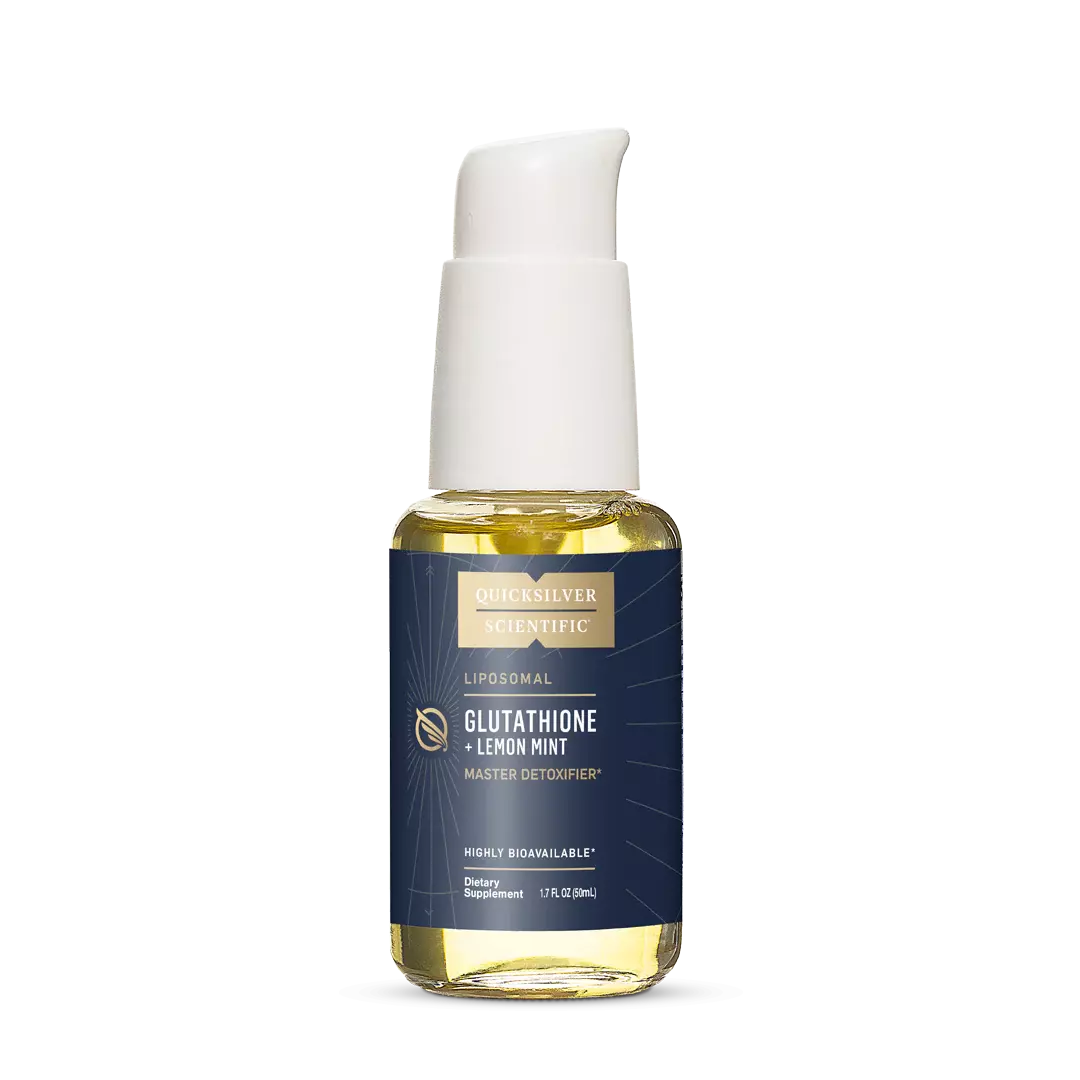
Combined Research Profile When investigated alongside complementary antioxidant, regenerative, or metabolic-support compounds, Glutathione is commonly researched for broader interaction with: Antioxidant-defense pathways Oxidative-stress regulation mechanisms Cellular-maintenance signaling Mitochondrial-support pathways Recovery-focused physiological mechanisms Healthy-aging and physiological-resilience research Because Glutathione is researched for its interaction with multiple antioxidant and cellular-support pathways, it is commonly investigated as part of broader multi-pathway antioxidant and physiological-maintenance research protocols