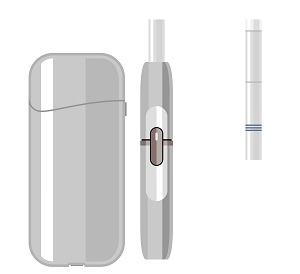
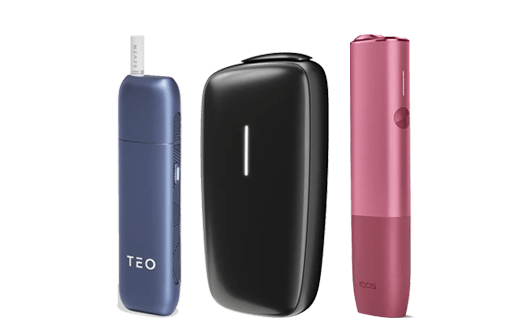
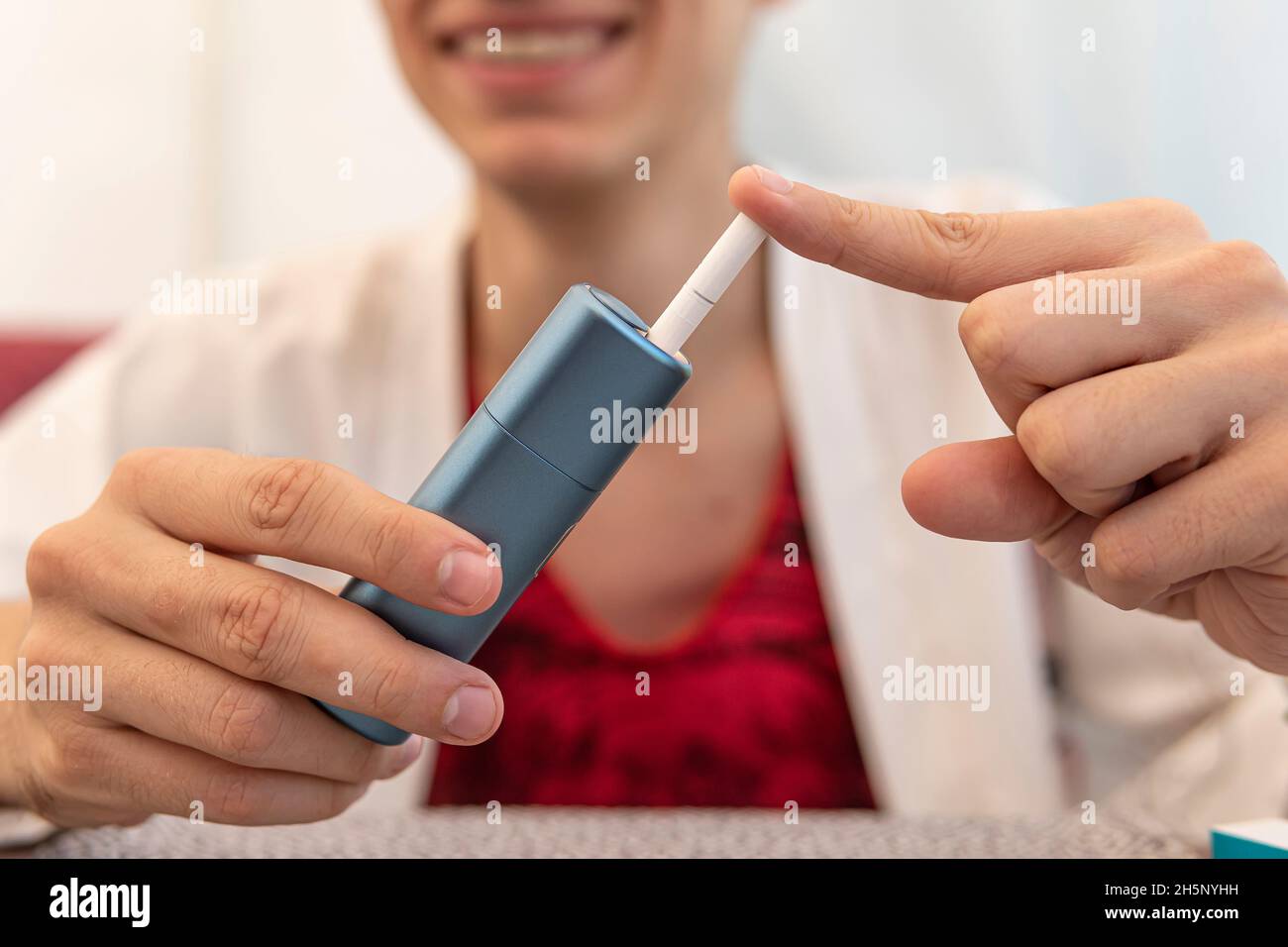
Stylish, portable and lightweight, it's easy to carry and fits in
Ethics approval Fatih Sultan Mehmet Training and Research Hospital Clinical Research Ethics Committee 2021/17 approval was obtained
Despite extensive health awareness campaigns, the global number of smokers remains alarmingly high, reaching 1.14 billion in 2019 ( The discarded CBs can be carried by surface runoff and eventually enter waterways and oceans ( Ecological risks of CBs CBs pollution is a unique environmental challenge as it poses not only persistent and ubiquitous chemical contamination with highly toxic substances but also physical contamination as a form of plastic pollution ( Nearly 7000 chemical substances (such as heavy metals, nicotine, PAHs, etc.) can be leaked from CBs into the aquatic environment, and more than 40 of these substances are mutagenic or carcinogenic, making them harmful to aquatic organisms ( Figure 1 ) ( Figure 1 Due to their plastic properties, CBs-derived plastics constitute about 4%-10% of the plastics released into the ocean environment annually ( Daphnia magna , with the lethal concentration decreasing from 0.89 CBs/L to 0.62 CBs/L, and the toxicity of the leachate can increase fourfold under low CBs concentration ( in-situ simulation experiments in the marine environment
Farokhnia M, McDiarmid GR, Newmeyer MN, Munjal V, Abulseoud OA, Huestis MA, Leggio L (2020) Effects of oral, smoked, and vaporized cannabis on endocrine pathways related to appetite and metabolism: a randomized, double-blind, placebo-controlled, human laboratory study