doi: 10.1056/NEJM199809173391202 [PubMed] 20878265 Rossetti AO, Milligan TA, Vullimoz S, Michaelides C, Bertschi M, Lee JW
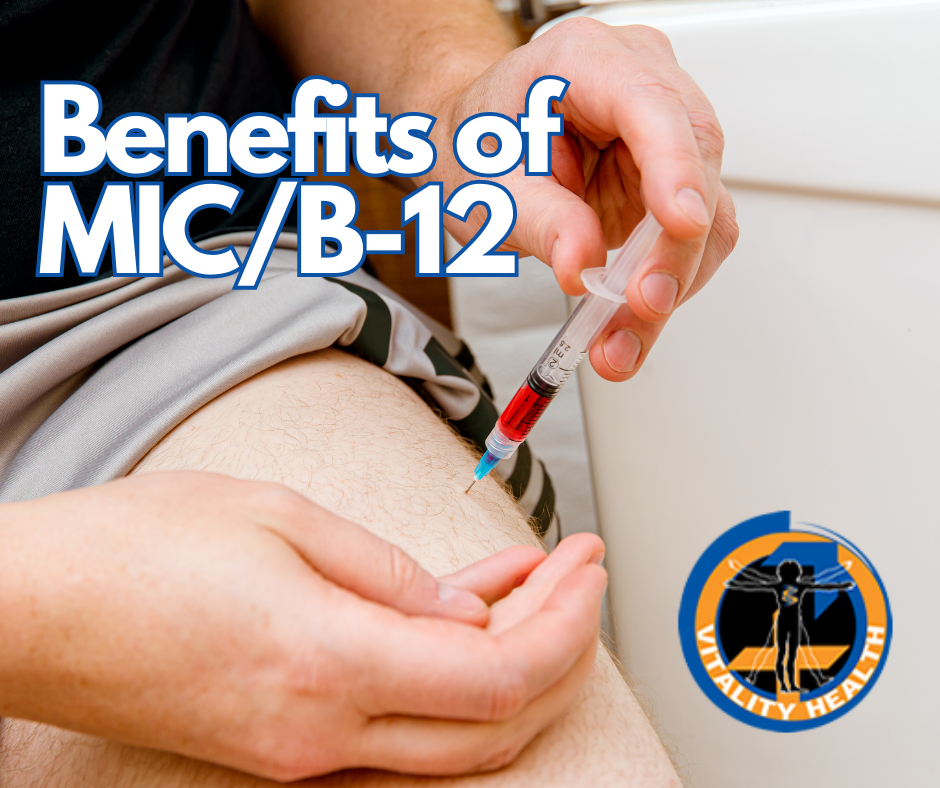
B12 injections are a safe, effective way to address vitamin B12 deficiencies and promote better health
It is this intrinsic factor that binds to Vitamin B12 and helps it enter the bloodstream after absorption
Uses Infection Treatment: IV/IM antibiotics (ceftriaxone, vancomycin, piperacillin-tazobactam, meropenem) for sepsis, pneumonia, UTI, and hospital-acquired infections Oncology & Chemotherapy: Injectable anticancer agents (paclitaxel, doxorubicin, pemetrexed, pembrolizumab) Critical/Emergency Care: Epinephrine, atropine, naloxone, lidocaine, magnesium sulfate for resuscitation and life-threatening emergencies Anesthesia & Analgesia: Propofol, fentanyl, ketamine, morphine, dexmedetomidine for surgical, procedural, and ICU sedation/pain relief Chronic Disease Management: Insulin for diabetes, adalimumab & etanercept for autoimmune diseases, hormone injections (testosterone, estradiol, progesterone) Vitamins & Nutrition: Injectable B12, iron, magnesium, folic acid, total parenteral nutrition (TPN) Vaccines & Immunization: Influenza, COVID-19, hepatitis, tetanus, pneumococcal, rabies post-exposure Specialty Biologics: Monoclonal antibodies, growth factors, erythropoietin, biosimilars Types of Injectable Medications Intravenous (IV): Direct infusion into bloodstream for rapid onset (e.g., antibiotics, chemotherapy, anesthesia) Intramuscular (IM): Delivery into muscle for steady absorption (e.g., vaccines, depot antipsychotics) Subcutaneous (SubQ): Slow-release into fat layer (e.g., insulin, GLP-1 agonists, heparin, biologics) IV Push/Bolus vs