BMC Infect Dis 17(1):445 Li XY, Yu ZL, Zhao YC, Wang DD, Xue CH, Zhang TT, Wang YM (2024) Gut microbiota metabolite TMA may mediate the effects of TMAO on glucose and lipid metabolism in C57BL/6J mice
Journal of Cosmetic Dermatology, 4, 258-261
Higher concentrations of carnitine were seen in the upper quartiles of TMAO.9 A 2017 systemic review and meta-analysis found that high TMAO levels were a much stronger predictor of cardiovascular events than were elevated levels of its nutrient precursors, including carnitine, regardless of conventional CVD risk factors.10 To investigate whether circulating L-carnitine is related to the risk of incident coronary heart disease (CHD) in apparently healthy people at normal risk, A 2022 prospective nested case-control study looked at associations between CVD risk and 10-year changes in plasma L-carnitine levels in 772 women enrolled in the Nurses Health Study
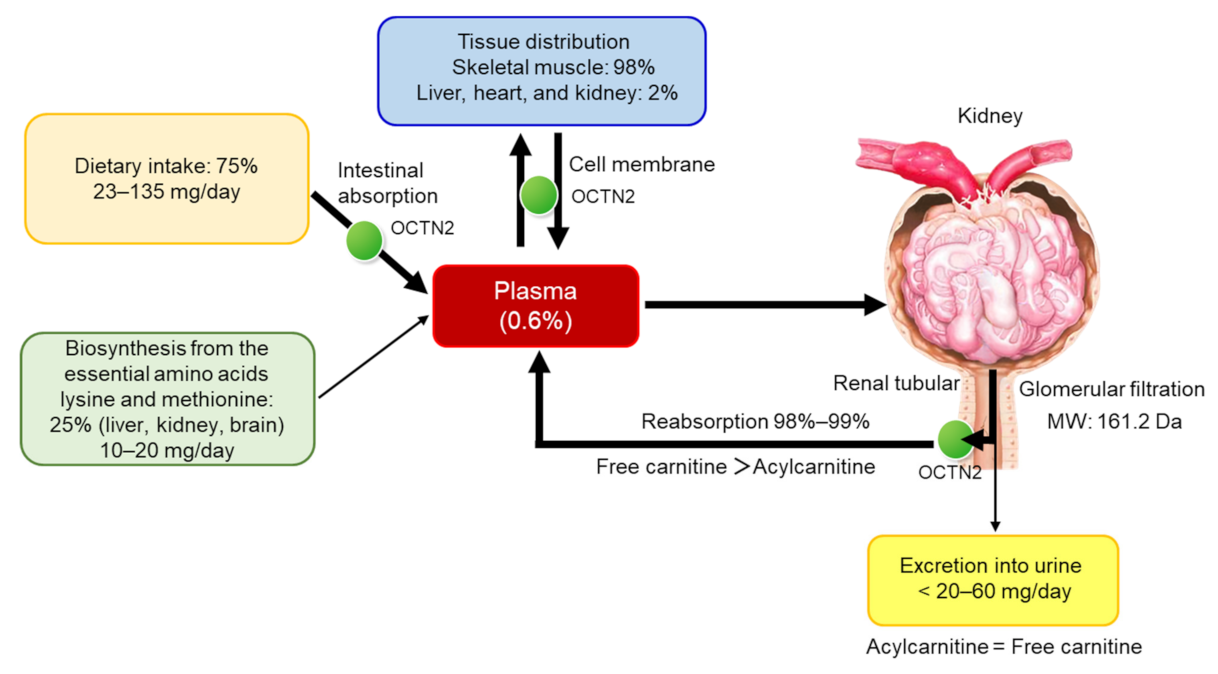
Furthermore, given the aforementioned purported mechanisms for the improving effects of L-carnitine/synbiotics on weight or metabolic parameters, it could be conceived that concomitant supplementation of L-carnitine and synbiotics may confer more pronounced impacts on these indicators, potentially through simultaneous modulation of energy homeostasis (8, 30), increasing fatty acid oxidation (8, 30), reducing adipogenesis or stimulating adipocyte lipolysis (21, 30), alleviating insulin resistance and glucose homeostasis (10, 31, 33), or attenuating systemic inflammation (56, 57), in a complementary or synergistic manner probably mediated through concurrent targeting of metabolic/inflammatory signaling pathways including CPT-Ia (20, 21), PDHC (8, 19), PPAR- (21, 31, 37), AMPK (30, 37), or NF-B (31, 34)


